
College soccer · For parents
College soccer recruiting, explained for parents.
Free. About four minutes. Your initial pathway assessment comes back the moment you submit, then set a password and the College Portal opens.
How we help
Our 4 pillars
- 1
ASSESS
We assess your kid’s soccer level, academics and recruiting timeline so you know which college options are realistic.
- 2
PREPARE
We identify what needs improving and help your kid build a College Recruiting profile and game film that college coaches can properly evaluate.
- 3
INTRODUCE
We identify programs that fit your kid’s level, academic goals and position, then use our coach relationships to make personal introductions where there’s a genuine fit and your kid is ready.
- 4
NAVIGATE
We help your family understand coach feedback, manage recruiting deadlines and compare opportunities so you can choose the right college with confidence.
Who guides your family
College soccer, from people who have lived it.
A professional player and agent, and a Division I head coach who ran college placement at IMG, building one plan for your family.
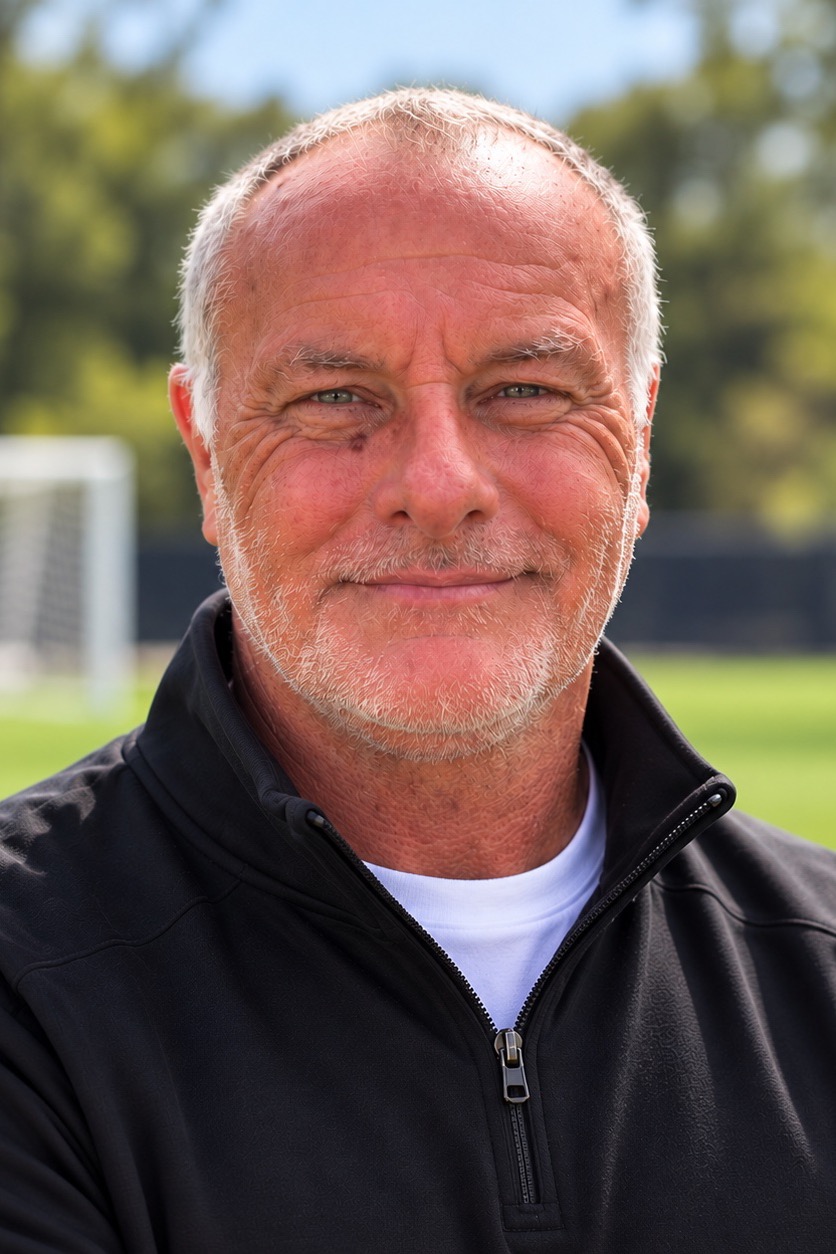
26 years of NCAA Division I coaching, 21 as a head coach at Kentucky and Hofstra, plus five years running college placement at IMG Academy. At Kentucky his teams won seven conference championships.

Played NCAA Division I soccer at the University at Buffalo, then 11 years overseas across five countries. He became a professional club General Manager and is now a FIFA-licensed agent.
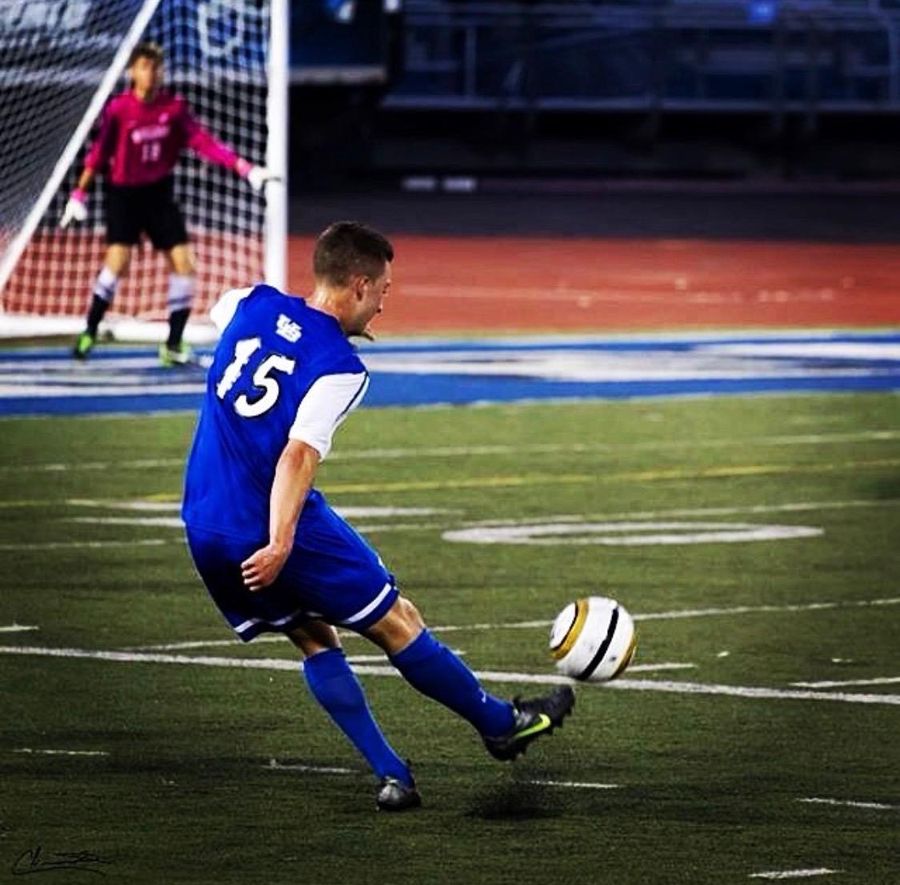
Number 15 for the University at Buffalo, NCAA Division I.
The right fit for your player
College soccer is not a pyramid.
Division I is not automatically the right destination, and Division III is not a lesser one. There are excellent players, coaches, schools and places to develop on every pathway.
- 01
NCAA Division I
The biggest programs and the heaviest schedule: training, travel and the season take the most time. From large state universities to highly selective private schools. Athletic scholarships, usually partial and shared across the roster.
- 02
NCAA Division II
Strong, often international rosters, with more balance between soccer and school. Many mid-sized public and private universities. Athletic scholarships, usually partial, often combined with academic aid.
- 03
NCAA Division III
Very competitive at the top, with a shorter season and more time for everything else. Includes some of the most selective academic schools in the country. No athletic scholarships. Academic merit and need-based aid, which can be generous.
- 04
NAIA
Competitive programs, mostly at smaller schools, with a simpler eligibility process. Mostly small private colleges and close-knit campuses. Athletic scholarships, usually partial.
- 05
Junior college
Two years of games and development, then a move to a four-year program. Lower cost, and a chance to raise grades before transferring. Scholarships at some programs, and far lower tuition.
A general guide. Rules and aid differ by school and change over time; a RicFit advisor checks them for your player’s class.
Ian Collins, on what coaches look for
Five things that make a player valuable to a coach.
From 26 years of coaching NCAA Division I: do your job, make your strengths impossible to ignore, be consistent, no drama, and be coachable. Ian explains each one in two minutes.
The right college is about more than soccer
If soccer disappeared tomorrow, would you still want to attend that school?
- Where the player will train, play and keep improving.
- A school whose academics fit, and a degree worth having.
- What college really costs after every kind of aid.
- The campus, the coach and the long-term goals.
The recruiting timeline
What is due, year by year.
- 01
Freshman and sophomore year
Grades count from the first semester. Register with the NCAA Eligibility Center (and the NAIA’s, if NAIA schools are on the list), start filming games and build a first list of schools that fit.
- 02
June 15 after sophomore year
NCAA Division I and II coaches can start contacting players directly. Have the highlight video and the coach emails ready before then. Division III, NAIA and junior college coaches can usually contact players earlier; check each school.
- 03
Junior year
Camps, ID events and visits. Follow up with every coach who answered, and narrow the list.
- 04
Senior year
Applications, financial aid, the senior-year paperwork and the final decision.
Tools that support the plan
Free in the College Portal.
The advice comes from people who have recruited and been recruited. These tools keep your family organized between conversations.
Open the College Portal- 01
Initial pathway assessment
From the profile you submit: the pathways worth exploring and what to work on first. It is a starting point, not a final evaluation. Our analyst’s review of the video, and a conversation about academics, finances and goals, complete the picture.
- 02
Coach emails
Fill in the player once, then write each coach email in a minute and send it from your own inbox. The tracker shows who answered and who needs a follow-up.
- 03
Recruiting timeline
What is due for the player’s class this month: the Eligibility Center, the June 15 contact date, camps, visits and the senior-year paperwork.
- 04
College requests
When college coaches tell us the positions they need for their next class, the requests appear here.
Players we have supported
These players worked with RicFit at different stages of their development.
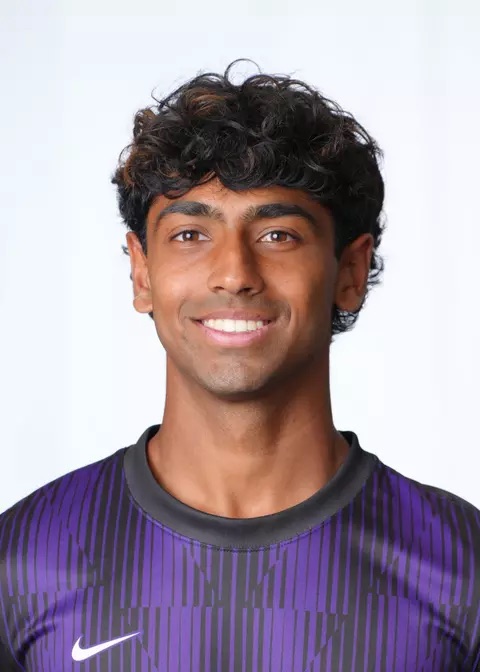
First goal for the Pilots, the winner in a 4-0 win over LMU, and West Coast Conference Defensive Player of the Week two weeks in a row.
Watch the story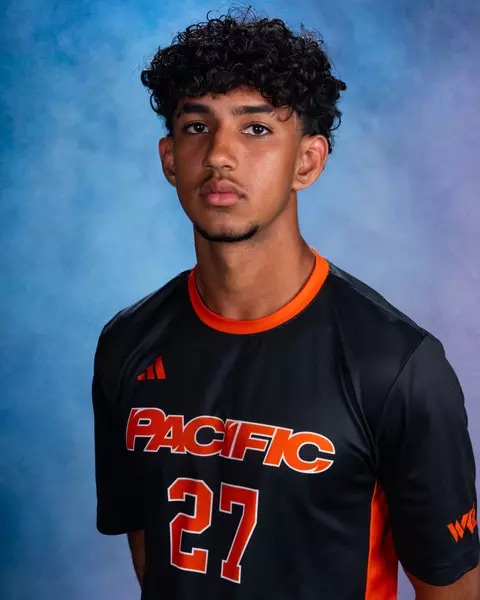
Started with Ric at 14, came through Sacramento Republic and MLS NEXT, and now plays Division I soccer at Pacific.
Watch the story
Started all 17 matches he played in 2025 and earned Little East Conference All-Academic recognition as a biology major.
Watch the story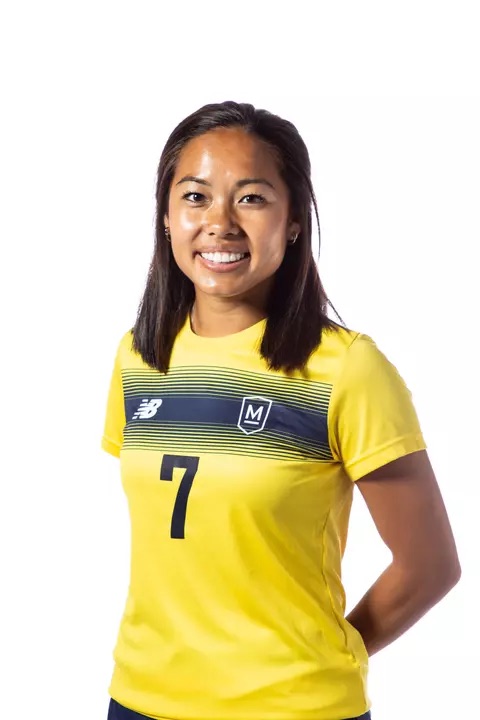
2020 NCCAA (National Christian College Athletic Association) Division II national champion and Second-Team All-American in 2021, while studying nursing.
Watch the story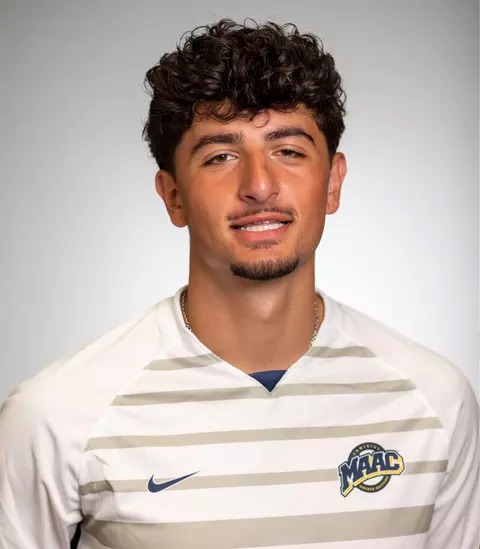
16 appearances and nine starts in his freshman season.
Watch the story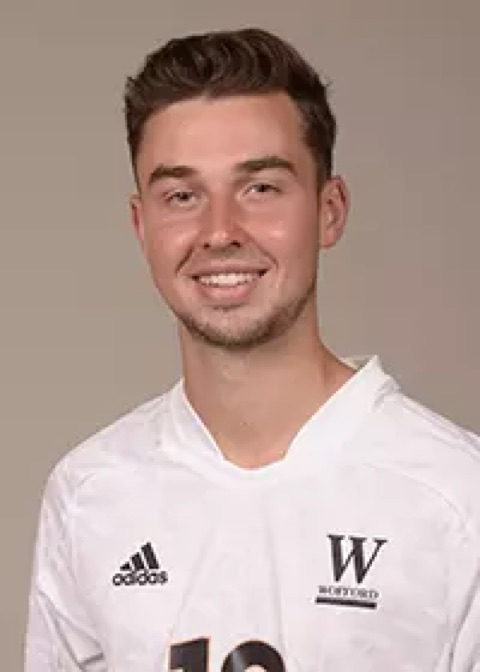
Division I experience at Evansville and Wofford.
Watch the story
Ten appearances, seven starts and 651 minutes as a junior in 2024.
Watch the story
College and UPSL, then signed in Germany and earned another contract.
Watch the storyCollege names identify playing backgrounds and do not imply institutional endorsement. These are individual stories; outcomes vary by player.
When should my player start the recruiting process?
Freshman or sophomore year. Register with the eligibility center, start filming games and build a list of schools that fit. For NCAA Division I and II, coaches can begin direct contact on June 15 after sophomore year.
Are college soccer scholarships full rides?
Rarely. Division I, Division II and NAIA athletic scholarships are usually partial and shared across the roster, often combined with academic aid. Division III offers no athletic scholarships, but academic merit and need-based aid can be generous.
Who is the College Portal for?
High school players from freshman year up, and players at a college now who want to transfer. International players are welcome. A parent or guardian can fill in the form and hold the account.
Is it free?
Yes. The intake form, the initial assessment, the coach email builder and the timeline are free to use.
What happens after the assessment, and what does it cost?
The assessment shows on screen the moment you submit, and the College Portal opens. If you want a full plan, you talk it through with a RicFit advisor. If a paid program fits your player, the advisor explains it and its price on that conversation. Nothing is charged unless you sign up.
Does RicFit guarantee a scholarship?
No. Nobody honest can. We give your family the tools and the plan it needs; college coaches make the decision.
Is RicFit a recruiting agency?
No. The College Pathway is not a recruiting agency, and using the portal is not an offer of representation. Ric holds a FIFA agent license for professional transfers, which is separate from college recruiting. RicFit is not affiliated with the NCAA or the NAIA.
My player wants to go pro instead.
Open the Transfer Portal for players 17 and older.
Want a recruiting plan built for your player?
It starts with the profile. Submit it for your player’s initial pathway assessment, then talk it through with a RicFit advisor: video, competitive level, academics, finances and goals. The plan comes from that conversation.